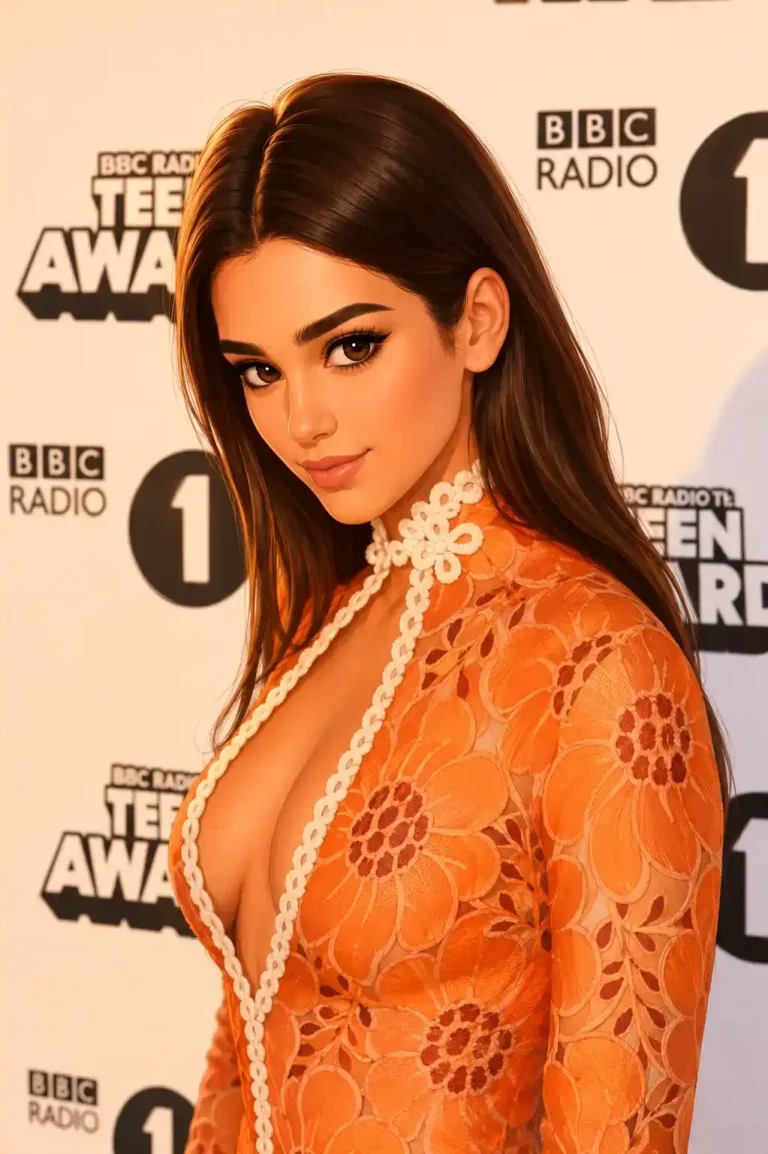
AJ Lee Ethnicity: The Puerto Rican Heritage of April Mendez


AJ Lee ethnicity is proudly and unambiguously Puerto Rican: the former WWE Divas Champion — born April Jeanette Mendez on March 19, 1987, in Union City, New Jersey — is of Puerto Rican descent on both sides of her family. One of the most beloved women’s wrestlers of her era, AJ Lee has spoken openly about her heritage, her upbringing in a working-class Puerto Rican household, and how her background shaped the resilience that carried her from poverty to the top of sports entertainment.
Quick Answer: What Is AJ Lee’s Ethnicity?
AJ Lee is of Puerto Rican descent. Both of her parents — her mother, Janet Acevedo, and her father, Robert Mendez — are of Puerto Rican heritage, and she was raised in Union City, New Jersey, a city with a large Puerto Rican community. She is American by nationality and Latina by ethnicity, and she has described her Puerto Rican identity as a core part of who she is.
| Quick Fact | Detail |
|---|---|
| Full name | April Jeanette Mendez |
| Ring name | AJ Lee |
| Date of birth | March 19, 1987 |
| Place of birth | Union City, New Jersey, USA |
| Nationality | American |
| Ethnicity | Puerto Rican descent |
Who Is AJ Lee? A Short Biography
AJ Lee’s WWE run from 2010 to 2015 redefined what a women’s wrestler could be. Debuting on NXT, she evolved from an endearing underdog into one of the most compelling characters in the company — the unhinged, unpredictable “crazy chick” whose chaotic energy masked one of the sharpest wrestling minds of her generation. She captured the Divas Championship three times and held the title for a combined 406 days, a record at the time, while also serving as the on-screen General Manager of Raw.
Her storylines with Daniel Bryan, CM Punk (whom she married in real life in 2014), Kane, and Dolph Ziggler were among the most entertaining of the era, and she was voted Diva of the Year in multiple fan polls. She retired from in-ring competition in 2015 at just 28, citing a desire to protect her health, and went on to become a New York Times bestselling author with her memoir Crazy Is My Superpower (2017) and a comic book writer, co-creating with actress Aimee Garcia and co-writing the Netflix film Blade of the 47 Ronin. Her multifaceted reinvention echoes the career pivots of performers like Rouba Saadeh, whose creative identities likewise transcend a single industry.

AJ Lee’s Family: A Puerto Rican Household in Union City
April Mendez grew up as the youngest of three children in a Puerto Rican family that struggled with poverty, mental illness, and addiction. Her mother, Janet Acevedo, worked as a homemaker and later as a home health aide; her father, Robert Mendez, was an automotive engineer. The family moved frequently between apartments, sometimes living in motels or even their car when they couldn’t afford rent — experiences Mendez chronicled with unflinching honesty in her memoir.
Union City, New Jersey, where she was raised, is one of the most densely Puerto Rican communities on the U.S. mainland, and that cultural environment surrounded her: the language, the food, the music, the extended-family networks that sustain working-class Latino neighborhoods. In Crazy Is My Superpower, she describes how her heritage and her hardships together forged the toughness that let her survive both childhood instability and the brutal politics of professional wrestling.
She was diagnosed with bipolar disorder around age 20 — a condition her mother also lived with — and has become an outspoken mental health advocate, crediting her diagnosis with giving her the courage to pursue her goals. Her willingness to discuss both her ethnicity and her mental health openly has made her a role model for young Latinas navigating similar challenges, a dimension of representation also explored in profiles such as Mallory Plotnik, where personal struggle becomes public strength.
Puerto Rican Pride in the Wrestling World
AJ Lee never downplayed her background in an industry where Latina wrestlers were historically stereotyped. While her “crazy chick” character wasn’t explicitly built around her Puerto Rican heritage, her authenticity — the fire, the unpredictability, the refusal to be a passive “diva” — resonated deeply with Latino fans who saw one of their own refusing to fit a mold. She became an inspiration for a generation of young women of color who wanted to break into wrestling, proving that talent and determination could transcend cultural and economic barriers.
Puerto Ricans have a rich history in professional wrestling, and AJ Lee stands among its most accomplished figures — a three-time champion whose legacy is measured not just in title reigns but in the doors she opened. Her marriage to CM Punk (Phil Brooks) united two of wrestling’s most countercultural stars, and the couple remains one of the industry’s most admired partnerships.
For a verified account of her background, AJ Lee’s Wikipedia biography documents her Puerto Rican descent and her Union City upbringing.
AJ Lee’s Memoir, Advocacy, and Life After Wrestling
Crazy Is My Superpower, AJ Lee’s 2017 memoir, was a revelation — a New York Times bestseller that chronicled her journey from childhood poverty and homelessness to WWE stardom with unflinching honesty. The book detailed her family’s struggles with mental illness and addiction, her own bipolar disorder diagnosis, and the grit required to fund her wrestling training through menial jobs after dropping out of NYU. Critics praised its voice: funny, raw, and defiantly hopeful. For many readers, it was their first encounter with a celebrity memoir that treated mental illness not as a tragedy but as a manageable part of a full life.
Her mental health advocacy became a second career. Lee has spoken openly about her bipolar diagnosis — the misdiagnosis and overdose that preceded it, the treatment that stabilized her — and about growing up with a mother who shared the condition. She partnered with mental health organizations, wrote essays destigmatizing therapy and medication, and used her platform to tell young fans that seeking help is strength. In the often-macho world of wrestling fandom, her candor was groundbreaking.
She reinvented herself as a writer, forming a creative partnership with actress Aimee Garcia. Together they wrote comic books — including series for major publishers — and co-wrote the Netflix film Blade of the 47 Ronin (2022), establishing Lee as a legitimate screenwriter. The transition from wrestler to author to Hollywood writer is rare, and it showcased the intellect that had always underpinned her wrestling character’s cunning.
Her marriage to CM Punk remains one of wrestling’s most beloved partnerships — two countercultural stars who walked away from the industry’s biggest stage on their own terms and built creative lives beyond it. For Puerto Rican and Latina fans especially, AJ Lee endures as proof that a girl from Union City’s toughest circumstances can rewrite every script handed to her — in the ring, on the page, and on screen.
AJ Lee’s Legacy for Latina Representation in Wrestling
AJ Lee’s success cracked open doors that had been shut to Latinas in wrestling for decades. Before her, Latina performers were too often confined to stereotyped roles — the fiery valet, the exotic temptress — with little room for complexity. AJ’s character was complicated on her own terms: brilliant, unstable, funny, dangerous, and ultimately the most compelling figure on the show regardless of gender. That a Puerto Rican woman from Union City’s toughest circumstances became the defining performer of her era proved that Latina wrestlers didn’t need to fit a mold to headline — they could break the mold entirely.
Her influence is visible in the generation that followed: Latina stars who cite AJ as the reason they believed wrestling had a place for them. Beyond the ring, her memoir and advocacy gave young Latinas a role model who spoke honestly about poverty, mental illness, and cultural identity — topics rarely addressed with such candor by celebrities. AJ Lee’s Puerto Rican heritage wasn’t a marketing angle; it was the foundation of a resilience that carried her from sleeping in cars to the top of sports entertainment, and that authenticity is why her legacy endures.
Frequently Asked Questions About AJ Lee’s Ethnicity
Is AJ Lee Puerto Rican?
Yes. AJ Lee, born April Jeanette Mendez, is of Puerto Rican descent. Both of her parents are of Puerto Rican heritage, and she was raised in Union City, New Jersey’s Puerto Rican community.
What is AJ Lee’s real name?
AJ Lee’s real name is April Jeanette Mendez (now April Mendez Brooks after her marriage to CM Punk). She performed in WWE under the ring name AJ Lee from 2010 to 2015.
Is AJ Lee Latina?
Yes. As a woman of Puerto Rican descent, AJ Lee is Latina. She has embraced her heritage publicly and is regarded as a role model for Latina wrestling fans.
Who are AJ Lee’s parents?
Her mother is Janet Acevedo, a homemaker and later home health aide, and her father is Robert Mendez, an automotive engineer. She is the youngest of their three children.
Is AJ Lee still wrestling?
AJ Lee retired from in-ring competition in 2015. She has since worked as an author — her memoir Crazy Is My Superpower was a New York Times bestseller — and as a comic book and screenwriter.
She holds advanced qualifications in Sociology, Anthropology, and Ethnic Studies, fields that focus on human cultures, traditions, migration patterns, and identity development across the world. Her expertise allows her to break down complex cultural topics into easy-to-understand articles that readers genuinely enjoy.
Over the years, Milana has researched hundreds of public figures, communities, and global ethnic groups, making her a trusted voice in the ethnicity niche. Her writing combines factual research, historical understanding, and modern cultural analysis to ensure every article is informative, reliable, and reader-friendly.
Her work focuses on:
* Ethnicity and ancestry research
* Cultural identity and heritage
* Nationality and family background
* Celebrity ethnicity breakdowns
* Global traditions and multicultural studies
Milana’s goal is to provide readers with authentic, well-researched, and trustworthy information while celebrating the diversity of cultures around the world. Through her detailed research and passion for cultural education, she continues to help audiences better understand ethnicity, heritage, and identity in today’s connected world.
- Larry Ellison Ethnicity: Jewish Mother and Italian Father - October 6, 2026
- Charlie Heaton Ethnicity: Nationality, Parents & Background - October 6, 2026
- Hilaria Baldwin Ethnicity: Heritage, Parents & Background Explained - October 6, 2026