Benjamin Bratt Ethnicity: His Peruvian Quechua and European Roots Explained


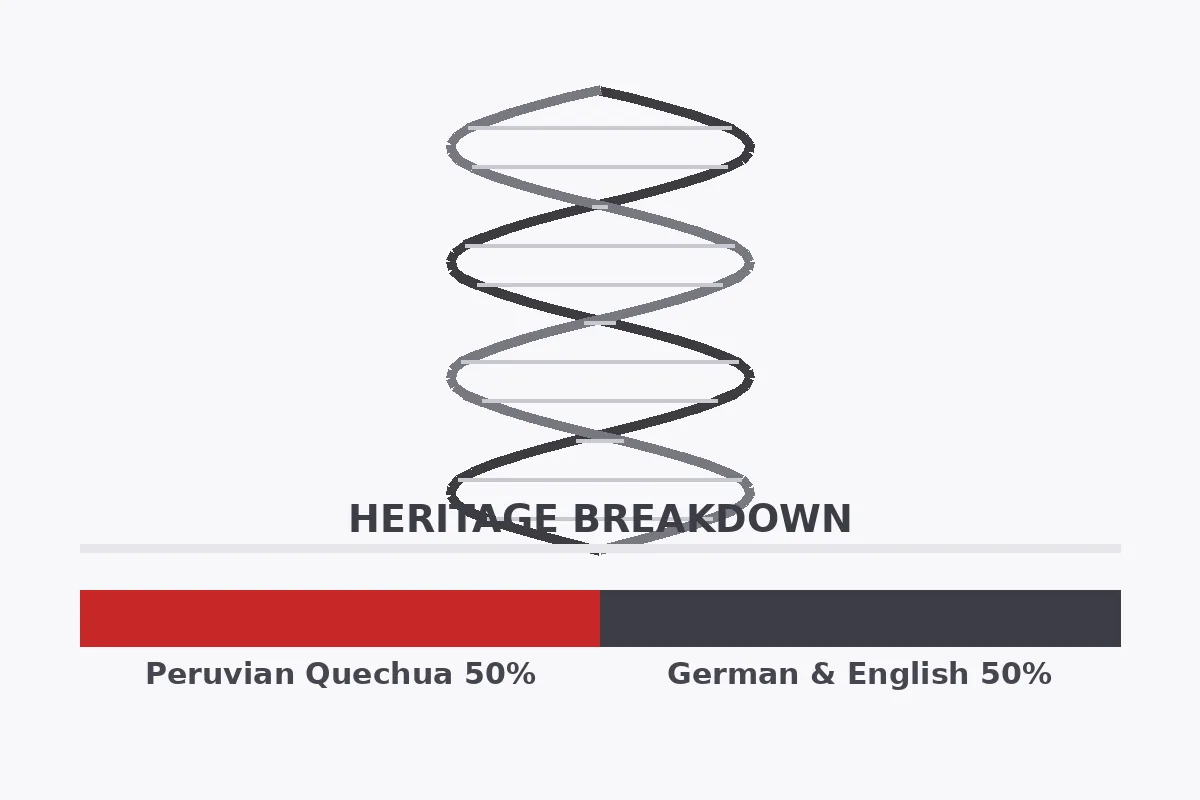
Benjamin Bratt is of mixed ethnicity — Peruvian Indigenous (Quechua) descent on his mother’s side and English, German, and Austrian ancestry on his father’s side. The American actor, best known for Law & Order, Miss Congeniality, and voicing Ernesto de la Cruz in Pixar’s Coco, was born December 16, 1963, in San Francisco, California. His mother, Eldy Bratt (née Banda), was born in Lima, Peru, and is of Quechua descent — the Indigenous people of the Andes — while his father, Peter Bratt Sr., was an American of English, German, and Austrian ancestry.
Bratt’s heritage is more than a biographical footnote: his mother was a noted nurse and political activist in the American Indian Movement who took six-year-old Benjamin and her other children to participate in the 1969 Native American occupation of Alcatraz. That upbringing — steeped in Indigenous activism and Peruvian pride — shaped the actor’s identity and his lifelong advocacy for Native American and Latino causes.
In this guide, we explore Benjamin Bratt’s ethnicity in depth: his mother’s Peruvian Quechua roots, his father’s European lineage, and how his background has influenced one of Hollywood’s most enduring careers.
Quick Facts: Benjamin Bratt
| Detail | Fact |
|---|---|
| Full Name | Benjamin Bratt |
| Date of Birth | December 16, 1963 |
| Birthplace | San Francisco, California, USA |
| Nationality | American |
| Ethnicity | Peruvian Quechua (mother) and English, German, Austrian (father) |
| Profession | Actor, producer, activist |
Early Life and Background
Benjamin Bratt was born the third of five children to Eldy Banda and Peter Bratt Sr. in San Francisco. His mother, a nurse by profession, was born in Lima, Peru, and moved to the United States with her family at the age of 14. She became a committed political activist, particularly in the American Indian Movement, and she raised her children with a deep consciousness of their Indigenous heritage.
The defining episode of Bratt’s childhood came in 1969, when his mother brought him — then just six years old — and her other children to join the Native American occupation of Alcatraz Island. Led by young activists from San Francisco, the 19-month occupation drew national attention to the issues facing Native Americans and became a landmark of Indigenous civil rights. For Bratt, it was an early, formative immersion in activism that he has carried throughout his life.
Bratt attended Lowell High School in San Francisco, where he was a member of the Lowell Forensic Society, and went on to earn a B.F.A. from the University of California, Santa Barbara, in 1986. He began graduate acting studies at the American Conservatory Theater in San Francisco but left before completing his M.F.A. to star in the 1988 television film Juarez, launching a professional career that would span nearly four decades.
Benjamin Bratt’s Ethnicity: Quechua Mother, European-American Father
Benjamin Bratt’s ethnicity reflects two very different ancestral stories. On his mother’s side, he is descended from the Quechua people — the Indigenous inhabitants of the Andean highlands of Peru, Bolivia, Ecuador, and surrounding regions. The Quechua are the direct cultural heirs of the Inca Empire, and their language, Quechua, remains one of the most widely spoken Indigenous languages in the Americas, with millions of speakers today. Eldy Banda’s family came from Lima, Peru’s capital, and her Quechua heritage gave Bratt a living connection to one of the Americas’ great Indigenous civilizations.
On his father’s side, Bratt’s ancestry is Northern and Central European: his father, Peter Bratt Sr., a sheet metal worker, was of English, German, and Austrian descent. His paternal grandfather, George Cleveland Bratt, was a Broadway actor — a show-business thread that arguably foreshadowed Benjamin’s own path. The combination makes Bratt half Latino/Indigenous and half European-American, a heritage he has described with pride throughout his career.
What distinguishes Bratt from many Hollywood actors with Latin American heritage is how actively he has lived it. His mother’s activism meant that Indigenous identity was not an abstract family story but a daily reality — marches, occupations, and community organizing were part of his childhood. As an adult, Bratt has remained involved in Native American advocacy, using his platform to support Indigenous causes and to push for better Latino and Native representation in film and television.
His casting as Ernesto de la Cruz in Pixar’s Coco (2017) — a film steeped in Mexican culture and celebrated for its authentic representation — felt like a natural fit for an actor whose own life bridges Indigenous American and European worlds. Bratt has received four ALMA Awards, which honor Latino achievement in entertainment, along with a Screen Actors Guild Award and a Primetime Emmy nomination. Readers interested in other Latino entertainment figures can explore our profiles of Carlos Alman and Carlos Scola Pliego.
Career Highlights
Bratt’s professional acting career began at the Utah Shakespeare Festival in 1987, followed by his acclaimed starring role in the television film Juarez (1988). He worked steadily through the late 1980s and early 1990s in series like Knightwatch and Nasty Boys before landing the role that made him famous: Detective Rey Curtis on NBC’s Law & Order, which he played from 1995 to 1999, earning an Emmy nomination.
His film career includes memorable turns in Blood In Blood Out (1993), Demolition Man (1993), Miss Congeniality (2000) opposite Sandra Bullock, Traffic (2000), Catwoman (2004), and Snitch (2013). He has also built a substantial voice-acting résumé: Cloudy with a Chance of Meatballs (2009–2013), Despicable Me 2 (2013), and the Coco franchise. On television, later roles included Private Practice, 24: Live Another Day, and the series Star.
Throughout, Bratt has balanced mainstream success with projects reflecting his heritage and values — a throughline from the six-year-old at Alcatraz to the established star producing and advocating for Indigenous stories. For the documented record of his life and work, see Benjamin Bratt’s Wikipedia page.

Family and Personal Life
Bratt’s parents married in San Francisco in December 1960 and divorced in September 1967, after having five children together. His mother Eldy’s influence looms largest in his public narrative — the Peruvian-born nurse and activist who ensured her children knew their Quechua roots and stood up for Indigenous rights.
In his personal life, Bratt was in a long-term relationship with actress Julia Roberts in the late 1990s and early 2000s before marrying actress Talisa Soto in 2002. The couple has two children: a daughter, Sophia Rosalinda, born in 2002, and a son, Mateo Bravery, born in 2005. Bratt has spoken about raising his children with an awareness of their Peruvian and Indigenous heritage, continuing the tradition his mother began with him.
The Bratt family’s story is, in many ways, a classic American immigration narrative with an Indigenous twist: a Peruvian mother carrying Quechua heritage to California, children raised between cultures, and a son who became one of the most recognizable Latino actors of his generation while never abandoning the activist roots his mother planted.
Later Career, Producing, and Continued Advocacy
In the second half of his career, Benjamin Bratt expanded beyond acting into producing and sustained advocacy. He served as a producer on projects spotlighting Latino stories and remained a visible supporter of the American Indian Movement’s goals, lending his name and resources to causes his mother championed decades earlier. His 2017 role as Ernesto de la Cruz in Pixar’s Coco — a film that grossed over $800 million and won the Academy Award for Best Animated Feature — introduced his voice to a new generation and celebrated the Mexican cultural heritage adjacent to his own Peruvian roots.
Bratt’s television work in this period included the Shonda Rhimes drama Private Practice, the Fox series Star, and 24: Live Another Day, along with film roles in Snitch (2013) and Doctor Strange (2016). He has also narrated documentaries touching on Latino and Indigenous history, using the authoritative voice that made him a fixture of 1990s network television.
What endures across these decades is the throughline from his childhood: the six-year-old at the Alcatraz occupation became an adult who treats representation as a responsibility. In interviews, Bratt has consistently credited his mother Eldy with instilling the pride that carried him through an industry not always welcoming to Latino and Indigenous actors — a legacy he now passes to his own children, Sophia Rosalinda and Mateo Bravery, whom he is raising with conscious connection to their Peruvian Quechua heritage.
Frequently Asked Questions (FAQ)
What is Benjamin Bratt’s ethnicity?
Benjamin Bratt is of mixed ethnicity: his mother was Peruvian of Quechua (Indigenous Andean) descent, and his father was American of English, German, and Austrian ancestry.
Is Benjamin Bratt Latino?
Yes. Through his mother, who was born in Lima, Peru, Benjamin Bratt is half Peruvian and identifies with his Latino and Indigenous heritage. He has won four ALMA Awards honoring Latino achievement in entertainment.
Who are Benjamin Bratt’s parents?
His mother was Eldy Banda, a Peruvian-born nurse and American Indian Movement activist of Quechua descent. His father was Peter Bratt Sr., a sheet metal worker of English, German, and Austrian ancestry.
What is the Quechua connection in Benjamin Bratt’s background?
The Quechua are the Indigenous people of the Andean highlands, heirs of the Inca Empire. Bratt’s maternal line is of Quechua descent, and his mother raised him with strong awareness of Indigenous identity, including taking him to the 1969 Alcatraz occupation at age six.
Where was Benjamin Bratt born?
Benjamin Bratt was born on December 16, 1963, in San Francisco, California, USA, the third of five children.
She holds advanced qualifications in Sociology, Anthropology, and Ethnic Studies, fields that focus on human cultures, traditions, migration patterns, and identity development across the world. Her expertise allows her to break down complex cultural topics into easy-to-understand articles that readers genuinely enjoy.
Over the years, Milana has researched hundreds of public figures, communities, and global ethnic groups, making her a trusted voice in the ethnicity niche. Her writing combines factual research, historical understanding, and modern cultural analysis to ensure every article is informative, reliable, and reader-friendly.
Her work focuses on:
* Ethnicity and ancestry research
* Cultural identity and heritage
* Nationality and family background
* Celebrity ethnicity breakdowns
* Global traditions and multicultural studies
Milana’s goal is to provide readers with authentic, well-researched, and trustworthy information while celebrating the diversity of cultures around the world. Through her detailed research and passion for cultural education, she continues to help audiences better understand ethnicity, heritage, and identity in today’s connected world.
- Larry Ellison Ethnicity: Jewish Mother and Italian Father - October 6, 2026
- Charlie Heaton Ethnicity: Nationality, Parents & Background - October 6, 2026
- Hilaria Baldwin Ethnicity: Heritage, Parents & Background Explained - October 6, 2026