Halle Berry Ethnicity: Her African-American and English-German Roots Explained


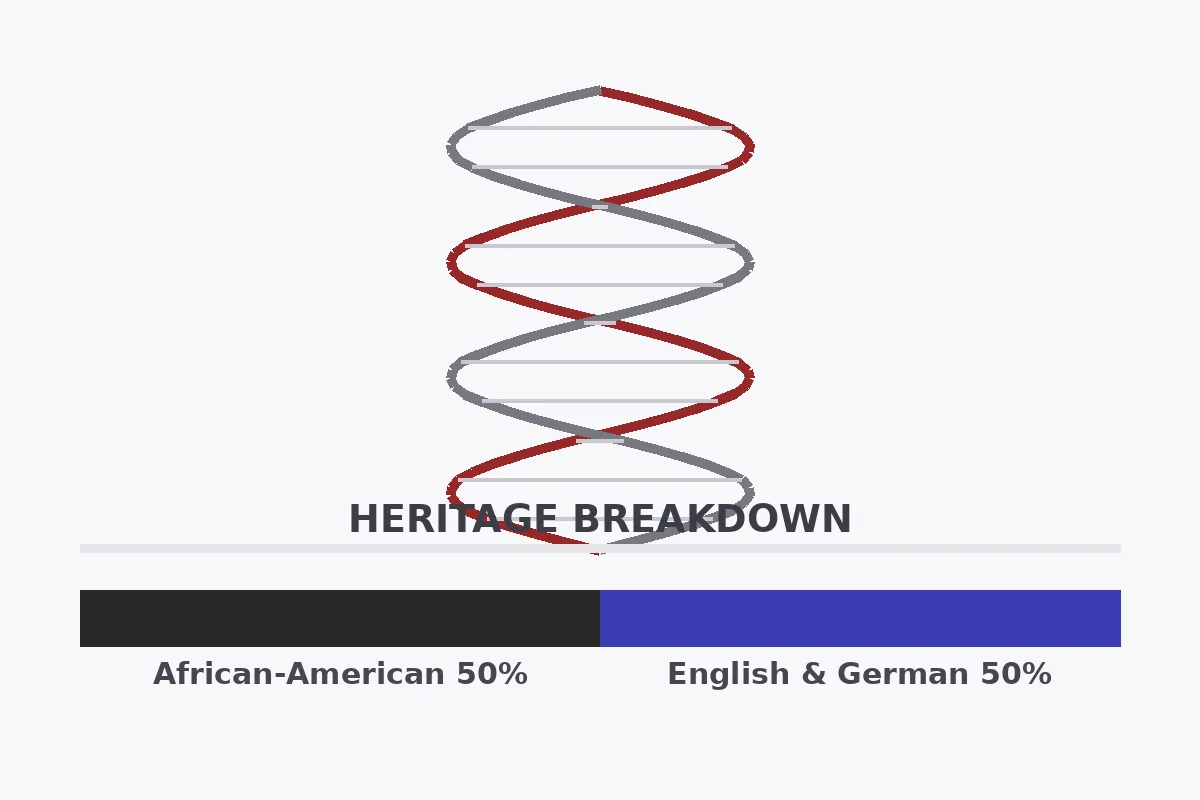
Halle Berry is biracial — of African-American descent on her father’s side and English and German descent on her mother’s side. Born Maria Halle Berry on August 14, 1966, in Cleveland, Ohio, the Academy Award-winning actress is the daughter of Jerome Jesse Berry, an African-American hospital attendant and former bus driver, and Judith Ann Hawkins, a white psychiatric nurse from Liverpool, England, of English and German ancestry. Her mixed heritage — and her decision to identify as a Black woman — has made her one of Hollywood’s most important figures in the conversation about race and identity.
Berry’s background shaped her profoundly. Raised largely by her white mother after her parents divorced when she was four, she has described feeling “very confused” about her identity growing up — a Black child raised by a white woman in a predominantly white Cleveland suburb, bullied for her multiethnic background, searching television for images of women who looked like her. In 2002, she became the first — and still only — Black woman to win the Academy Award for Best Actress, for Monster’s Ball.
This guide explores Halle Berry’s ethnicity in depth: her parents’ origins, her biracial upbringing, and how her identity journey intersected with a historic career.
Quick Facts: Halle Berry
| Detail | Fact |
|---|---|
| Full Name | Halle Maria Berry (born Maria Halle Berry) |
| Date of Birth | August 14, 1966 |
| Birthplace | Cleveland, Ohio, USA |
| Nationality | American |
| Ethnicity | Biracial: African-American (father), English and German (mother) |
| Profession | Actress, producer, director |
Early Life and Background
Halle Berry was born Maria Halle Berry in Cleveland, Ohio — her parents chose her middle name from Halle’s Department Store, a local Cleveland landmark; her name was legally changed to Halle Maria Berry at age five. She has an older sister, Heidi. Her father, Jerome Jesse Berry, was an African-American man who served in the U.S. Air Force, worked as a bus driver, and later as a hospital attendant. Her mother, Judith Ann Hawkins, was a white psychiatric nurse from Liverpool, England, of English and German descent. Judith met Jerome while he was stationed in England as an Air Force serviceman; she subsequently moved to America to marry him, and they settled in Cleveland.
The marriage was troubled — Berry has recalled witnessing her father’s alcoholism and violence toward her mother — and her parents divorced when Halle was four. Judith moved her daughters from their early childhood home to the predominantly white Cleveland suburb of Bedford, raising them largely on her own. Berry was bullied at school for her multiethnic background and has described a childhood spent searching for reflections of herself: “I was a Black child being raised by a white woman, so I didn’t have those images in my household. Finding them on television and through movies became very, very crucial to me.”
She found them in performers like Diahann Carroll — “seeing Diahann Carroll being the star of a show and playing a mother who was a nurse, who was educated, who was beautiful, just rearranged me,” she later said. Before acting, Berry was a successful model and beauty pageant contestant: Miss Ohio USA 1986, first runner-up at Miss USA 1986, and sixth place at Miss World 1986.
Halle Berry’s Ethnicity: Black Father, White English-German Mother
Halle Berry’s ethnicity is biracial: her father Jerome was African-American and her mother Judith was a white woman of English and German ancestry, born in Liverpool, England. Berry herself has described her biracial background as “painful and confusing” when she was young — and made a deliberate, early decision to identify as a Black woman, reasoning that it was how the world would perceive her.
That decision placed her squarely within America’s long-standing “one-drop” tradition, under which anyone with any African ancestry is categorized as Black — a rule born of slavery and segregation that Berry embraced on her own terms as an adult. She has discussed it with nuance over the years: acknowledging her white mother and the complexities of being raised in a white household, while standing firmly in her Black identity as an actress, activist, and public figure.
Her mother’s English roots add a transatlantic dimension: Judith Ann Hawkins emigrated from Liverpool to marry Jerome, making Halle the daughter of an immigrant mother and a Black American father whose own family history runs through the American South’s complex racial past. The Berry household’s early years in a Black Cleveland neighborhood, followed by the move to white Bedford after the divorce, meant Halle experienced both sides of America’s racial geography before she was ten — an education no classroom could provide.
Berry’s openness about this journey — including a memorable 2025 appearance on the Conan O’Brien Needs a Friend podcast revisiting her childhood identity struggles — has made her a touchstone for biracial Americans navigating the same questions. For more celebrity background stories, see our profiles of Denika Kisty and Mallory Plotnik.
Career Highlights
Berry’s breakthrough film role came in Spike Lee’s Jungle Fever (1991) — ironically, a film about interracial relationships that mirrored her own origins. Roles in Boomerang (1992), The Flintstones (1994), and Bulworth (1998) followed, along with her Emmy- and Golden Globe-winning turn as Dorothy Dandridge in Introducing Dorothy Dandridge (1999) — a role with deep personal resonance, as Dandridge had been the first Black woman nominated for a Best Actress Oscar.
Then came Monster’s Ball (2001). Her raw, devastating performance as a struggling widow won the Academy Award for Best Actress in 2002 — the first and, more than two decades later, still the only Black woman to win in the category. Her tearful acceptance speech, dedicating the award to “every nameless, faceless woman of color that now has a chance because this door tonight has been opened,” remains one of the most quoted in Oscar history.
She went on to play Storm in the X-Men franchise (2000–2014), Jinx in the James Bond film Die Another Day (2002), and the title role in Catwoman (2004). Later work includes Cloud Atlas (2012), The Call (2013), Kingsman: The Golden Circle (2017), John Wick: Chapter 3 – Parabellum (2019), and her directorial debut, Bruised (2020). A Revlon spokesmodel since 1996, she has been one of Hollywood’s highest-paid actresses and was twice named among People‘s most beautiful people. For the documented details of her life and career, see Halle Berry’s Wikipedia biography.
Family, Relationships, and Motherhood
Berry was married three times: to baseball player David Justice (1993–1997), singer-songwriter Eric Benét (2001–2005), and actor Olivier Martinez (2013–2016). She has two children: daughter Nahla Ariela (born 2008) with French-Canadian model Gabriel Aubry, and son Maceo (born 2013) with Martinez. Since 2020, she has been in a relationship with musician Van Hunt.
Her children’s heritage continues the family’s multiethnic story: Nahla is biracial (Black and white French-Canadian), and Maceo carries African-American, English-German, and French-Spanish roots. Berry has spoken about raising them with pride in all sides of their backgrounds — determined that they not face the identity confusion she knew as a child.
Her father Jerome died in 2003; her relationship with him had long been strained. Her bond with her mother Judith, who raised her through the hardest years, remained the central family relationship of her life — the white English nurse whose daughter became the face of Black Hollywood excellence.
Beauty, Pageants, and Breaking Barriers
Before Hollywood, Halle Berry conquered the pageant world — and her mixed heritage was central to that story. Crowned Miss Ohio USA in 1986, she became the first African-American Miss World entrant representing the United States, finishing sixth at Miss World 1986 after placing first runner-up at Miss USA. At a time when beauty standards were narrowly defined, her biracial beauty challenged conventions on international stages.
That barrier-breaking continued throughout her career. Her Emmy-winning portrayal of Dorothy Dandridge — the first Black woman nominated for a Best Actress Oscar — connected her directly to the lineage she would extend three years later with her own historic win. As a Revlon spokesmodel since 1996, one of the longest beauty contracts in industry history, she redefined who gets to represent mainstream American beauty.
Berry has been candid that her success came at a cost: the identity confusion of her youth, an industry that prized her looks while limiting her roles, and the weight of being “the first” in rooms with no precedent. Yet she carried it with a grace rooted in her Cleveland upbringing — the daughter of an English immigrant nurse and a Black Air Force veteran who learned early that identity is something you claim, not something you’re assigned.
Frequently Asked Questions (FAQ)
What is Halle Berry’s ethnicity?
Halle Berry is biracial: her father, Jerome Jesse Berry, was African-American, and her mother, Judith Ann Hawkins, was a white woman of English and German descent from Liverpool, England.
Is Halle Berry Black?
Yes — Halle Berry identifies as a Black woman. Though biracial, she made a deliberate decision early in life to identify as Black, noting that it was how she would be perceived, and she has been celebrated as a pioneering Black actress throughout her career.
Who are Halle Berry’s parents?
Her father was Jerome Jesse Berry, an African-American Air Force veteran, bus driver, and hospital attendant. Her mother was Judith Ann Hawkins, a white psychiatric nurse from Liverpool, England, of English and German ancestry. They divorced when Halle was four.
Where was Halle Berry born?
Halle Maria Berry (born Maria Halle Berry) was born on August 14, 1966, in Cleveland, Ohio, USA, and was raised in the Cleveland suburb of Bedford.
What was Halle Berry’s historic Oscar win?
In 2002, Halle Berry won the Academy Award for Best Actress for Monster’s Ball (2001), becoming the first — and to this day only — Black woman to win the Oscar for Best Actress.
She holds advanced qualifications in Sociology, Anthropology, and Ethnic Studies, fields that focus on human cultures, traditions, migration patterns, and identity development across the world. Her expertise allows her to break down complex cultural topics into easy-to-understand articles that readers genuinely enjoy.
Over the years, Milana has researched hundreds of public figures, communities, and global ethnic groups, making her a trusted voice in the ethnicity niche. Her writing combines factual research, historical understanding, and modern cultural analysis to ensure every article is informative, reliable, and reader-friendly.
Her work focuses on:
* Ethnicity and ancestry research
* Cultural identity and heritage
* Nationality and family background
* Celebrity ethnicity breakdowns
* Global traditions and multicultural studies
Milana’s goal is to provide readers with authentic, well-researched, and trustworthy information while celebrating the diversity of cultures around the world. Through her detailed research and passion for cultural education, she continues to help audiences better understand ethnicity, heritage, and identity in today’s connected world.
- Larry Ellison Ethnicity: Jewish Mother and Italian Father - October 6, 2026
- Charlie Heaton Ethnicity: Nationality, Parents & Background - October 6, 2026
- Hilaria Baldwin Ethnicity: Heritage, Parents & Background Explained - October 6, 2026