Care For The Elderly | Senior Home Care & Caregiver Services

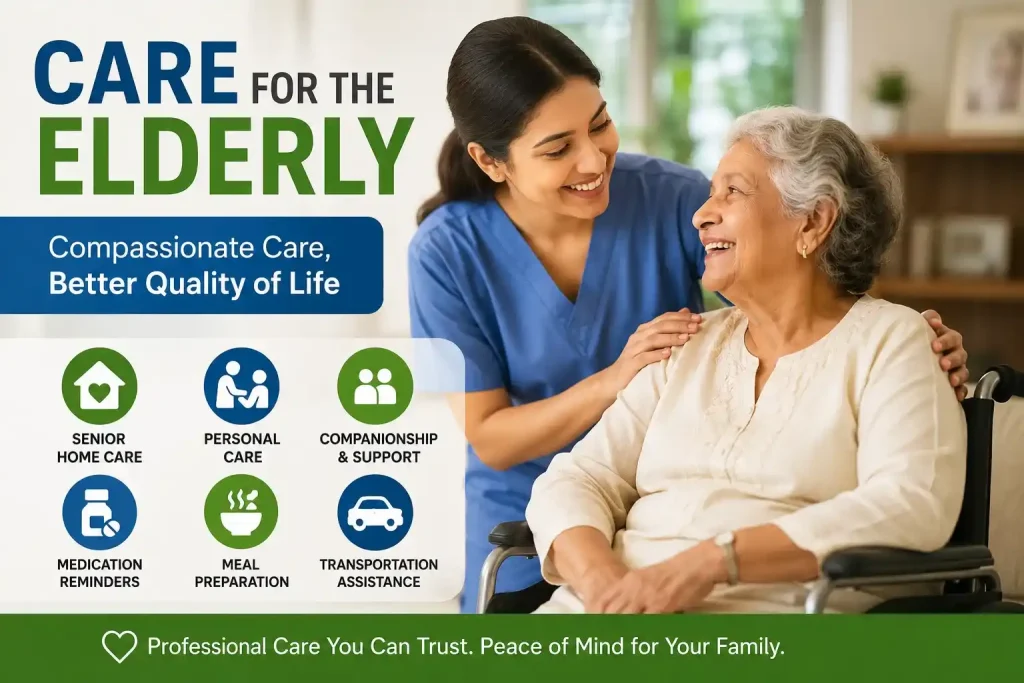
As people grow older, they often require extra support to maintain their health, safety, and independence. Families may struggle to provide round-the-clock assistance due to work and personal responsibilities. This is where professional elderly care services become invaluable. Whether it is senior home care, companionship, personal assistance, or medical support, caregivers play a crucial role in improving the quality of life for aging adults.
What Is Elderly Care?
Elderly care refers to a range of services designed to help older adults live comfortably and safely. These services may include personal care, household assistance, medication reminders, meal preparation, transportation, and emotional support.
The primary goal of elderly care is to help seniors maintain their independence while ensuring their physical, mental, and emotional well-being.
Understanding Senior Home Care
Senior home care allows elderly individuals to receive assistance in the comfort of their own homes rather than moving to a nursing facility. Many seniors prefer aging in place because it enables them to remain in familiar surroundings and maintain their daily routines.
Home care services can be customized based on the specific needs of each senior, ranging from a few hours of assistance per week to full-time, live-in care.
Common Senior Home Care Services
- Personal hygiene assistance
- Bathing and grooming support
- Meal planning and preparation
- Medication reminders
- Light housekeeping
- Transportation to appointments
- Companionship and social interaction
- Mobility assistance
- Fall prevention support
- Specialized dementia care
The Importance of a Caregiver for Elderly Individuals
A caregiver for elderly adults provides both practical assistance and emotional support. Caregivers help seniors perform everyday tasks that may become difficult due to age-related challenges, illness, or limited mobility.
Professional caregivers are trained to recognize changes in a senior’s condition and can alert family members or healthcare providers when necessary.
Benefits of Hiring an Elderly Caregiver
1. Improved Safety
Falls are one of the leading causes of injury among seniors. Caregivers help reduce risks by assisting with mobility, maintaining a safe home environment, and providing supervision when needed.
2. Better Quality of Life
Having a caregiver allows seniors to continue enjoying daily activities while receiving the support they need.
3. Emotional Support
Loneliness and isolation are common among older adults. Caregivers provide companionship, conversation, and emotional encouragement.
4. Family Peace of Mind
Family members can feel reassured knowing their loved one is receiving professional and compassionate care.
5. Personalized Care
Every senior has unique needs. Professional caregivers develop customized care plans that address specific health conditions and lifestyle preferences.
Types of Elderly Care Services
Companion Care
Companion caregivers focus on social interaction and daily assistance. Services may include conversation, meal preparation, errands, and recreational activities.
Personal Care
Personal care services assist with bathing, dressing, grooming, toileting, and mobility support.
Respite Care
Respite care provides temporary relief for family caregivers who need time to rest or manage other responsibilities.
Dementia and Alzheimer’s Care
Specialized caregivers are trained to support seniors with memory-related conditions, ensuring safety and comfort.
Live-In Care
A live-in caregiver stays with the senior full-time, offering continuous support and supervision.
Signs Your Loved One May Need Senior Home Care
It can sometimes be difficult to determine when professional assistance is necessary. Some common signs include:
- Frequent falls or mobility issues
- Difficulty managing medications
- Poor personal hygiene
- Memory loss or confusion
- Missed medical appointments
- Unexplained weight loss
- Social isolation
- Difficulty performing household tasks
If you notice several of these signs, it may be time to consider professional home care services.
How to Choose the Right Caregiver for Elderly Family Members
Selecting the right caregiver is an important decision. Consider the following factors:
Experience and Qualifications
Look for caregivers with proper training, certifications, and experience working with seniors.
Background Checks
Ensure the caregiver has undergone thorough screening and background verification.
Communication Skills
A good caregiver should communicate clearly with both seniors and family members.
Compassion and Patience
Elderly care requires empathy, understanding, and patience.
References and Reviews
Check testimonials, reviews, and references from previous clients.
Advantages of Home Care Over Nursing Homes
Many families choose senior home care because it offers several advantages:
| Home Care Benefits | Nursing Home Comparison |
|---|---|
| Personalized attention | Shared staff resources |
| Familiar environment | New surroundings |
| Flexible schedules | Fixed routines |
| Greater independence | More structured care |
| One-on-one companionship | Group care settings |
Cost of Senior Home Care
The cost of senior home care varies depending on location, level of care, and hours required. Basic companionship services are generally less expensive than specialized medical or dementia care.
Many families find that part-time home care offers an affordable solution while maintaining a high quality of life for their loved ones.
The Future of Elderly Care
As the global population ages, demand for professional caregivers continues to grow. Modern technology, telehealth services, and specialized caregiver training are helping improve the quality and accessibility of senior care.
Families now have more options than ever to ensure their loved ones receive compassionate, personalized support while remaining independent.
Conclusion
Care for the elderly is about more than just meeting physical needs. It involves preserving dignity, promoting independence, and enhancing overall well-being. Senior home care services provide a practical and compassionate solution for families seeking quality support for aging loved ones. Whether you need occasional assistance or full-time care, a professional caregiver can make a significant difference in the life of an elderly individual, offering comfort, safety, and peace of mind.
Frequently Asked Questions (FAQs)
What does a caregiver for elderly people do?
A caregiver assists seniors with daily activities such as bathing, dressing, meal preparation, medication reminders, mobility support, and companionship.
Is senior home care better than a nursing home?
It depends on individual needs. Home care allows seniors to remain in familiar surroundings and receive personalized attention.
How many hours can a caregiver provide care?
Caregivers can provide care ranging from a few hours per week to 24-hour live-in support.
Can caregivers help seniors with dementia?
Yes, many caregivers receive specialized training to assist individuals with Alzheimer’s disease and other forms of dementia.
When should a family consider hiring a caregiver?
Families should consider hiring a caregiver when seniors begin experiencing difficulty with daily activities, mobility, memory, or personal care.